Buy leadership-training.eu ?
We are moving the project
leadership-training.eu .
Are you interested in purchasing the domain
leadership-training.eu ?
domain@kv-gmbh.de · 0541-91531010
Buy leadership-training.eu ?
What are the differences between lime plaster and lime-cement plaster?
Lime plaster is made from lime putty and sand, and it has been used for centuries as a building material. It is breathable, flexible, and has a natural appearance. On the other hand, lime-cement plaster is a mixture of lime, cement, and sand. It is stronger and more durable than traditional lime plaster, making it suitable for areas that require higher strength and resistance to moisture. Additionally, lime-cement plaster sets faster than lime plaster, making it a more efficient option for construction projects. **
Which lime cement plaster?
Lime cement plaster is a type of plaster that is made by mixing lime with cement and sand. It is commonly used for interior and exterior walls, as well as for decorative finishes. Lime cement plaster is known for its durability, breathability, and flexibility, making it a popular choice for historical restoration projects and in areas with high humidity. It provides a smooth and even finish that can be painted or left as is for a natural look. **

Similar search terms for DBKD-Verona-Lime-Plaster
Top-Angebote
Products related to DBKD-Verona-Lime-Plaster:
-
York Wallcoverings Italian Plaster Plaster WallpaperThe distinctive, rugged texture of hand-troweled Italian plaster is reimagined with a luminous, modern shimmer. Featured here in natural beige. Unpasted vinyl material. 27.5-in repeat, drop match. Scrubbable and strippable. 20.9-in by 33-ft long roll.153,00 $*Shipping: 0,00 $Secure redirect to the provider
-
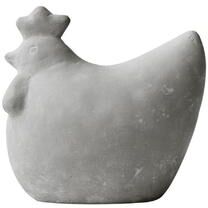
DBKD CONCRETE HEN Concrete - ConcreteFor those of you who's been around for a while this news is a dear old friend, but for the rest of you this is our new concrete hen, we like to call her Agda. Beautiful addition to your kitchen, dining room, or living room!25,70 $*Shipping: 0,00 $Secure redirect to the provider



-
How can I recognize gypsum plaster or lime plaster?
You can recognize gypsum plaster by its white color and smooth texture. It is also softer and less durable than lime plaster. Lime plaster, on the other hand, is typically a light gray color and has a rougher texture. It is also harder and more durable than gypsum plaster. Additionally, lime plaster will often have a more natural and organic look compared to the more uniform appearance of gypsum plaster. **
-
What types of interior plaster are there, lime plaster or silicate plaster?
There are two main types of interior plaster: lime plaster and silicate plaster. Lime plaster is made from a mixture of sand, water, and lime and has been used for centuries due to its durability and breathability. Silicate plaster, on the other hand, is made from a mixture of sand, water, and potassium silicate and is known for its high resistance to moisture and mold. Both types of plaster have their own unique characteristics and benefits, so the choice between them depends on the specific needs of the project. **
-
How much does lime plaster cost?
The cost of lime plaster can vary depending on factors such as the quality of the lime, the quantity needed, and the complexity of the project. On average, lime plaster can cost anywhere from $8 to $15 per square foot for materials and labor. It is recommended to get quotes from multiple contractors to get a more accurate estimate for your specific project. **
-
Can fine plaster be applied directly onto cement-lime plaster?
Yes, fine plaster can be applied directly onto cement-lime plaster. However, it is important to ensure that the surface of the cement-lime plaster is clean, dry, and free of any loose particles before applying the fine plaster. Proper preparation of the surface will help the fine plaster adhere better and result in a smoother finish. Additionally, it is recommended to follow the manufacturer's instructions for application to achieve the best results. **


How can one mix lime-cement plaster oneself?
To mix lime-cement plaster yourself, you will need to first gather the necessary materials including hydrated lime, cement, sand, and water. Start by mixing the dry ingredients together in a wheelbarrow or mixing tub, typically using a ratio of 1 part cement, 3 parts sand, and 1 part hydrated lime. Gradually add water while mixing until you achieve a smooth and workable consistency. It is important to mix thoroughly to ensure the plaster is well blended and free of lumps before applying it to the surface. **
How long does lime plaster need to dry?
Lime plaster typically needs to dry for at least 7-10 days before it is fully cured. However, the drying time can vary depending on factors such as humidity, temperature, and the thickness of the plaster application. It is important to allow the plaster to dry completely before applying any paint or finishes to ensure a strong and durable surface. **
Top-Angebote
Products related to DBKD-Verona-Lime-Plaster:
-
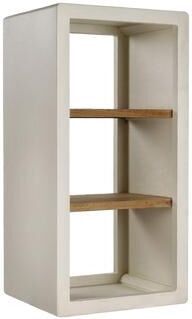
DBKD Verona Lime Plaster Off White 2 ShelvesIf you're looking for an elegant, modular storage solution, then our Verona concept is just what you need. Composed of 5 blocks of different sizes, this concept stands out for its attractive, refined lime plaster finish.895,20 $*Shipping: 0,00 $Secure redirect to the provider
-
York Wallcoverings Italian Plaster Plaster WallpaperThe distinctive, rugged texture of hand-troweled Italian plaster is reimagined with a luminous, modern shimmer. Featured here in natural beige. Unpasted vinyl material. 27.5-in repeat, drop match. Scrubbable and strippable. 20.9-in by 33-ft long roll.153,00 $*Shipping: 0,00 $Secure redirect to the provider
-
What are the differences between lime plaster and lime-cement plaster?
Lime plaster is made from lime putty and sand, and it has been used for centuries as a building material. It is breathable, flexible, and has a natural appearance. On the other hand, lime-cement plaster is a mixture of lime, cement, and sand. It is stronger and more durable than traditional lime plaster, making it suitable for areas that require higher strength and resistance to moisture. Additionally, lime-cement plaster sets faster than lime plaster, making it a more efficient option for construction projects. **
-
Which lime cement plaster?
Lime cement plaster is a type of plaster that is made by mixing lime with cement and sand. It is commonly used for interior and exterior walls, as well as for decorative finishes. Lime cement plaster is known for its durability, breathability, and flexibility, making it a popular choice for historical restoration projects and in areas with high humidity. It provides a smooth and even finish that can be painted or left as is for a natural look. **
-
How can I recognize gypsum plaster or lime plaster?
You can recognize gypsum plaster by its white color and smooth texture. It is also softer and less durable than lime plaster. Lime plaster, on the other hand, is typically a light gray color and has a rougher texture. It is also harder and more durable than gypsum plaster. Additionally, lime plaster will often have a more natural and organic look compared to the more uniform appearance of gypsum plaster. **
-
What types of interior plaster are there, lime plaster or silicate plaster?
There are two main types of interior plaster: lime plaster and silicate plaster. Lime plaster is made from a mixture of sand, water, and lime and has been used for centuries due to its durability and breathability. Silicate plaster, on the other hand, is made from a mixture of sand, water, and potassium silicate and is known for its high resistance to moisture and mold. Both types of plaster have their own unique characteristics and benefits, so the choice between them depends on the specific needs of the project. **
Similar search terms for DBKD-Verona-Lime-Plaster
-
DBKD CONCRETE HEN Concrete - ConcreteFor those of you who's been around for a while this news is a dear old friend, but for the rest of you this is our new concrete hen, we like to call her Agda. Beautiful addition to your kitchen, dining room, or living room!25,70 $*Shipping: 0,00 $Secure redirect to the provider
-
DBKD Verona Off-White Lime Plaster Rack 1 ShelfIf you're looking for an elegant, modular storage solution, then our Verona concept is just what you need. Composed of 5 blocks of different sizes, this concept stands out for its attractive, refined lime plaster finish.1208,90 $*Shipping: 0,00 $Secure redirect to the provider
-
How much does lime plaster cost?
The cost of lime plaster can vary depending on factors such as the quality of the lime, the quantity needed, and the complexity of the project. On average, lime plaster can cost anywhere from $8 to $15 per square foot for materials and labor. It is recommended to get quotes from multiple contractors to get a more accurate estimate for your specific project. **
-
Can fine plaster be applied directly onto cement-lime plaster?
Yes, fine plaster can be applied directly onto cement-lime plaster. However, it is important to ensure that the surface of the cement-lime plaster is clean, dry, and free of any loose particles before applying the fine plaster. Proper preparation of the surface will help the fine plaster adhere better and result in a smoother finish. Additionally, it is recommended to follow the manufacturer's instructions for application to achieve the best results. **
-
How can one mix lime-cement plaster oneself?
To mix lime-cement plaster yourself, you will need to first gather the necessary materials including hydrated lime, cement, sand, and water. Start by mixing the dry ingredients together in a wheelbarrow or mixing tub, typically using a ratio of 1 part cement, 3 parts sand, and 1 part hydrated lime. Gradually add water while mixing until you achieve a smooth and workable consistency. It is important to mix thoroughly to ensure the plaster is well blended and free of lumps before applying it to the surface. **
-
How long does lime plaster need to dry?
Lime plaster typically needs to dry for at least 7-10 days before it is fully cured. However, the drying time can vary depending on factors such as humidity, temperature, and the thickness of the plaster application. It is important to allow the plaster to dry completely before applying any paint or finishes to ensure a strong and durable surface. **
* All prices are inclusive of VAT and, if applicable, plus shipping costs. The offer information is based on the details provided by the respective shop and is updated through automated processes. Real-time updates do not occur, so deviations can occur in individual cases. ** Note: Parts of this content were created by AI.